Real Review: Retro Baseball SVG Design
I have spent years evaluating digital assets for my embroidery studio, and I know that the difference between a "cute" graphic and a successful machine embroidery design often comes down to how it translates from screen to thread. Today, I am putting the Retro Baseball SVG Design, Baseball through its paces. This isn't just about looking at a pretty image; it is about understanding how this specific asset will perform when stitched onto a customer's favorite cap or a custom-made sweatshirt.
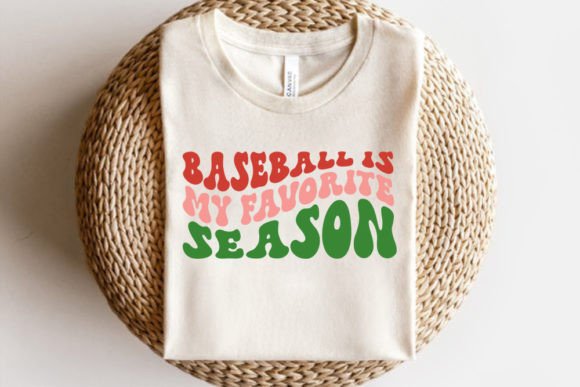
When I first opened the files for Retro Baseball SVG Design, Baseball, the immediate mood was nostalgic yet crisp. The retro aesthetic suggests a vintage sports vibe that feels timeless rather than trendy. For a designer looking to create custom apparel or boutique merchandise, this kind of visual personality is gold. It screams "classic American pastime," which makes it an ideal candidate for small business products targeting hobbyists, crafters, or even professional athletes looking for personalized gear.
From Digital File to Finished Product
The product description mentions that you receive four distinct files: SVG, PNG 300 dpi, EPS, and DXF. While these are standard formats for cutting machines like Cricut or Silhouette, as an embroidery reviewer, I am primarily interested in how these translate into a physical embroidery project. If you are planning to use this as a digital embroidery file on a sewing machine, the quality of the vector lines in the SVG and EPS is crucial. These formats ensure that when the design is converted into stitch data, the curves of the baseball and the typography remain smooth without jagged edges.
Imagine a scenario where I am preparing a batch of personalized gifts for a local little league team. I need something that looks professional but retains a handmade charm. Using Retro Baseball SVG Design, Baseball on a navy blue polo shirt would be a strategic choice. The retro theme fits perfectly with team uniforms, offering a sense of tradition. However, before I commit to stitching 50 shirts, I have to consider the stitch density and the complexity of the design.
If the design includes intricate details or tiny lettering within the baseball shape, it might struggle on a sweatshirt embroidery project if the hoop size is too small. Embroidery requires space for stitches to breathe. A dense fill stitch area can cause puckering on lighter fabrics, while a running stitch outline might get lost on a textured material like a heavy canvas tote bag. The key here is to match the design's detail level to the fabric texture. On a smooth cotton twill hat, this design could look sharp and clean, but on a rough linen apron, the finer details might not register clearly.
Where This Design Shines in Real Life
In my experience, the Retro Baseball SVG Design, Baseball excels when applied to larger surface areas where the viewer has time to appreciate the craftsmanship. Think of a tote bag design made from sturdy canvas. The durability of the embroidery combined with the classic baseball motif creates a product that feels substantial and high-quality. Customers buying handmade products often look for items that feel durable and well-thought-out.
This design is also perfect for holiday embroidery projects, especially around Father's Day or during the summer baseball season. A baby onesie featuring this retro style would make for a heartwarming personalized gift. Parents love unique, thematic clothing for their children, and a vintage baseball graphic adds a touch of character that generic prints lack. Similarly, for an Etsy seller or small shop product owner, this asset offers a versatile option for creating a cohesive brand line. You could offer matching pillow covers, kitchen towels, and caps, all unified by the same design assets.
For those selling commercial embroidery services, the versatility of this file allows for quick turnaround times on client requests. Whether it is a corporate event shirt or a promotional item for a sports bar, the retro theme is universally appealing. The inclusion of a PNG at 300 dpi is also a bonus for creating printable mockups. You can place the design on a digital rendering of a hoodie or t-shirt to show customers exactly what the final product will look like before they even place an order. This builds trust and reduces the anxiety of ordering custom work.
Practical Considerations and Potential Pitfalls
While the design is promising, there are specific situations where you must exercise caution. If you plan to use Retro Baseball SVG Design, Baseball on a curved surface like a cap, you need to ensure the digitization accounts for the curvature. Flat designs often distort when wrapped around the dome of a hat. Additionally, if the design features tiny lettering or very fine lines, it may not hold up well on stretchy fabrics like jersey knit. The tension of the fabric can pull the threads apart, causing the text to become illegible.
Another critical factor is the background color. If you are working with dark fabric, the contrast is vital. A light-colored retro design might require a significant amount of underlay or a specific thread color strategy to pop against the dark material. Conversely, on white or light backgrounds, the design needs enough density to stand out without looking washed out. Always test the design in black and white mockups first to check the silhouette and balance.
You should also be mindful of the stitch density. High-density designs are great for patches or stiff items, but they can be uncomfortable on soft garments like baby clothes or lightweight tees. If the design is too heavy, it might restrict movement or feel scratchy against the skin. In such cases, simplifying the fill stitch or opting for a lighter satin stitch border might be necessary.
Designer's Checklist Before You Stitch
Before you rush to print your first batch of finished products, follow these practical steps to ensure success:
- Test on scrap fabric: Always run a test stitch on a piece of the actual fabric you intend to use. This reveals issues with puckering, thread breakage, or alignment before you waste materials.
- Check thread color contrast: Ensure the chosen thread colors provide enough contrast against the fabric to make the design legible and visually striking.
- Review stitch density: Look at the design's density settings. If it seems too heavy for the intended garment, adjust the settings or choose a different application.
- Confirm hoop size: Verify that your embroidery hoop can accommodate the full dimensions of the design without cropping important elements.
- Inspect small details: Zoom in on the digital file to see if any lines are too thin to be embroidered effectively.
- Use proper stabilizer: Select the right stabilizer (cut-away, tear-away, or wash-away) based on the fabric weight and the type of project.
- Licensing check: Confirm whether the license allows for commercial use. If you are selling finished items, you need explicit permission to do so.
The Retro Baseball SVG Design, Baseball is more than just a graphic; it is a tool for creating memorable embroidered patches, apron decorations, or nursery decor. By approaching it with a critical eye and understanding the technical limitations of embroidery, you can turn this digital asset into a high-value addition to your portfolio. Whether you are a hobbyist making a one-off gift or a seasoned creative entrepreneur scaling your business, this design offers a solid foundation for your next project.
Ultimately, the success of any embroidery file depends on the care taken during the setup process. Take your time, test thoroughly, and let the retro charm of this design shine through in your final creation. With the right execution, Retro Baseball SVG Design, Baseball can elevate your craft business and help you deliver products that customers love to wear and display.