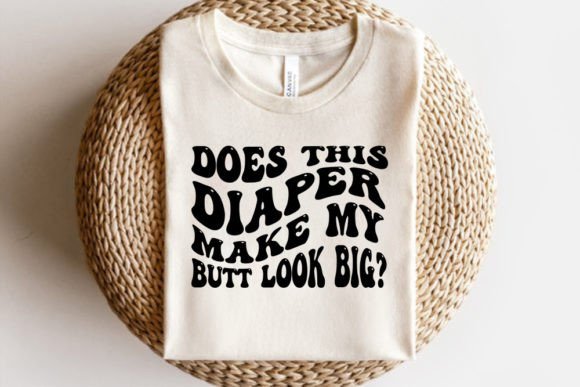
Retro Baby SVG Design, Does This Diape
As a designer who has spent years turning digital files into tangible stitched products, I know that the difference between a cute image and a successful embroidery project often comes down to one thing: practicality. You might have found a file that looks perfect on your screen, but does it hold up when the needle starts moving? Today, I am evaluating the Retro Baby SVG Design, Does This Diape from the perspective of someone preparing to use this asset in real-world applications, whether for a personal gift or a small business inventory.
The first impression of this design is immediate charm. It taps into that nostalgic "retro" aesthetic that has been dominating the handmade market for good reason. The phrase itself, "Does This Diape make my butt look big," carries a humorous, relatable energy that resonates with parents and crafters alike. In the world of Print Templates and Graphics, finding a design that balances wit with visual appeal is rare. When you unbox the four included files—SVG, PNG 300 dpi, EPS, and DXF—you get a versatile toolkit that suggests this designer understands the workflow of modern makers. However, before we celebrate the file formats, we need to talk about how this design translates from a vector line to a physical stitch.
From Screen to Stitch: A Real-World Scenario
Let's imagine a specific scenario. You are an Etsy seller preparing a holiday collection for boutique baby items. You decide to create a custom embroidered apron for a new mom or a matching sweatshirt for a family photo shoot. You pull the Retro Baby SVG Design, Does This Diape into your digitizing software or prepare it for your embroidery machine. The layout is playful, likely featuring a stylized diaper graphic paired with the text. The question becomes: will this translate well onto fabric?
In my experience with custom apparel, humor works best when the lettering is crisp and the imagery isn't too cluttered. If the original design relies on tiny, intricate details to convey the joke, we run into trouble. Embroidery requires space. When I reviewed similar designs for small shop products, I often found that text too close to the edge of the hoop gets lost in the stitching tension. For this specific design, the retro font style needs to be evaluated for its stroke width. If the lines are too thin, they may disappear into the fabric texture, especially if you are using a standard thread count. The goal is to ensure the customer reads the joke immediately, not after squinting at the garment.
Where This Design Shines
This design is particularly well-suited for medium-to-large surface areas where the retro vibe can breathe. I see this as a fantastic candidate for a tote bag design. The sturdy canvas of a tote bag provides a stable base for satin stitch and fill stitch, allowing the colors to pop without the distortion common on stretchy materials. Imagine a weekend getaway bag for a new parent; the durability of the fabric complements the boldness of the design.
Furthermore, this piece would excel as a pillow cover or a kitchen towel accent. These items are less prone to the stretching issues found on sweatshirt embroidery or fitted hats. The retro theme fits perfectly in a nursery setting or a modern farmhouse kitchen. As a personalized gift, the humor adds a layer of personality that generic floral patterns lack. Customers love items that feel curated and thoughtful, and a witty design like this signals that the maker put effort into the selection. It elevates a simple handmade product into a conversation starter.
For those selling digital embroidery files, offering this as part of a bundle could be lucrative. The inclusion of high-resolution PNGs means buyers can also use the image for printable mockups or social media teasers, adding value beyond just the machine file. It bridges the gap between physical crafting and digital marketing.
Pitfalls and Practical Considerations
However, no design is without its challenges. There are specific situations where the Retro Baby SVG Design, Does This Diape might struggle. One major concern is the use of this design on stretchy fabric or curved surfaces like baseball caps. Unless the design has been specifically digitized with compensation for fabric movement, placing it on a cap can result in pucker marks or distorted lettering that ruins the visual balance. If you attempt to use this for an embroidered patch, ensure the backing material is robust enough to support the density of the stitches.
Another area of caution is stitch density. If the design includes dense fill areas, it may become stiff and uncomfortable on delicate baby clothes. Parents prefer soft fabrics that don't irritate sensitive skin. Before committing to a production run, you must test the design on scrap fabric to check the hand-feel. Additionally, if you plan to use dark fabric backgrounds, the thread color contrast is critical. A light-colored retro design might get lost against a navy or black tee unless you use a high-density underlay or a contrasting thread palette. Always inspect the design in black and white mockups to verify that the shapes remain distinct regardless of color.
Designer Notes for Success
If you are ready to move forward with this asset, here is my professional advice for ensuring a polished finished product.
- Test First: Never go straight to the final item. Run the design on a scrap of the exact fabric you intend to use. This reveals issues with thread colors and stability that you cannot see on a screen.
- Check Hoop Size: Ensure your machine's hoop size accommodates the full design without cutting off the edges. Cropping a key element of the joke defeats the purpose.
- Stabilizer Selection: Use the appropriate stabilizer for your fabric type. For textured fabrics, a cut-away stabilizer is often necessary to prevent the design from shifting during washing.
- Licensing Verification: Before selling finished items or including this in a commercial bundle, double-check the license terms provided with the purchase. Some graphics allow personal use only, while others permit commercial sales. Clarity here protects your craft business from legal issues.
- Digital Prep: Since you receive both SVG and DXF files, choose the format that matches your workflow. SVG is ideal for Cricut users creating vinyl transfers, while DXF is better for direct machine embroidery workflows.
The Retro Baby SVG Design, Does This Diape has the potential to be a standout piece in your portfolio. It hits the right notes for the current market trends, offering humor and nostalgia in equal measure. But remember, the quality of the final output depends entirely on your preparation. By treating this as a serious design asset rather than just a quick download, you ensure that your customers receive a high-quality item that reflects well on your brand. Whether you are decorating a holiday gift or stocking your online shop, taking the time to validate the fit and finish of this design will pay dividends in customer satisfaction and repeat business.
Ultimately, the best embroidery file is the one that tells a story clearly and stands the test of time. With careful execution, this design can do exactly that, turning a simple piece of cloth into a cherished keepsake or a profitable merchandise item.