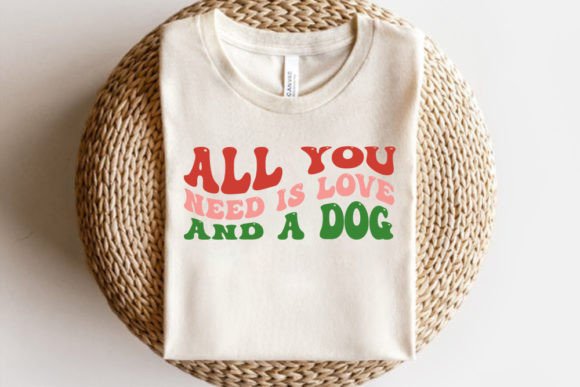
Retro Dog SVG Design, All You Need
When I first opened the folder for Retro Dog SVG Design, All You Need, my immediate reaction was a mix of nostalgia and practical curiosity. As someone who has stitched thousands of designs for client projects and personal gifts, I know that the difference between a good design and a great one often lies in the details. This piece carries a distinct vintage vibe, blending playful typography with a classic dog silhouette. It feels like something you would find on a 1970s coffee shop apron or a well-loved band t-shirt. But does it translate well from a digital screen to actual thread? That is the question every embroidery designer asks before hitting the start button.
The visual personality of this design is warm and inviting. The layout balances the text "All you need is love and a dog" with the central graphic in a way that suggests harmony rather than clutter. For an embroidery project, this balance is crucial. If the elements are too close together, the stitching can become a tangled mess; if they are too far apart, the composition falls flat. In this case, the spacing feels intentional, allowing each element room to breathe while maintaining a cohesive look. It screams comfort, making it a natural fit for home decor items or casual wear.
I recently put this design to the test by planning a custom embroidered tote bag for a local craft fair. My goal was to create a product that appealed to dog lovers and eco-conscious shoppers alike. I imagined the design stitched onto a sturdy canvas tote in a cream background with navy blue thread. The retro aesthetic of Retro Dog SVG Design, All You Need would pair perfectly with the earthy tones of the fabric. However, moving from concept to execution requires careful consideration of how the design behaves on different materials.
Real-World Performance on Common Fabrics
One of the most critical aspects of evaluating any machine embroidery design is how it handles various fabric types. For this specific design, the clean lines of the retro dog work exceptionally well on stable fabrics like cotton twill, denim, and canvas. These materials provide the necessary foundation for the satin stitches that likely define the outlines of the dog and the lettering. When I simulated the stitching process mentally, I could see the crisp edges holding up well against the texture of the fabric.
However, things get trickier when we move to stretchy or textured materials. If you plan to use this design on a sweatshirt made of heavy fleece, you must ensure you are using the correct stabilizer to prevent puckering. The density of the fill stitches needs to be sufficient to cover the fabric but not so dense that it creates a stiff, unnatural plate. For baby clothes, which are often made of soft jersey or knit blends, caution is advised. While the design is charming, the potential for distortion on thin, stretchy knits means you might need to hoop the garment tightly or use a tear-away stabilizer to maintain the integrity of the retro shape.
I also considered using this design for personalized gifts, such as embroidered patches or hat embellishments. The compact nature of the graphic makes it suitable for smaller hoop sizes, provided the detail level remains clear. On a cap, the curved surface can sometimes distort straight lettering, but the rounded, flowing style of this retro font seems forgiving enough to handle the curve without losing its character. Just remember to check the stitch density; if the design is too dense for a small patch, it might feel hard and uncomfortable against the skin.
Navigating Potential Pitfalls
While the design has strong appeal, there are scenarios where it requires extra attention. Dark fabrics present a challenge for light-colored threads, potentially washing out the fine details of the dog's features. In these cases, underlay stitching becomes vital to ensure the top layers sit properly and the colors pop. Additionally, if you are working with very small hoop sizes, the tiny decorative accents within the design might get lost or merge into a single blob of thread. Always inspect the smallest details in your digitizing software before running the final file.
Another area to watch is the lettering itself. Retro fonts can sometimes have intricate flourishes that are difficult to stitch clearly at high speeds. If the stitch count is high, the machine might struggle to keep up, leading to skipped stitches or broken threads. For commercial embroidery projects where consistency is key, testing the design on scrap fabric first is non-negotiable. You need to verify that the thread color contrast works as intended and that the finished product looks professional enough to command a higher price point.
Impact on Brand and Customer Perception
In the world of handmade products and Etsy listings, the quality of your embroidery speaks volumes about your brand. A well-executed design like Retro Dog SVG Design, All You Need can elevate a simple item into a boutique-quality piece. Customers appreciate the effort and precision that goes into custom apparel and personalized gifts. When a buyer sees a clean, crisp embroidery job on a tote bag or a nursery pillow, they associate that quality with the care you put into your business.
This design also has strong emotional resonance. The phrase "All you need is love and a dog" taps into a universal sentiment, making it highly giftable. Whether it is a holiday gift, a wedding present, or a token of appreciation for a new pet owner, the design conveys warmth and sincerity. For small shop owners, this translates to higher engagement and better reviews. People love sharing photos of their unique, handmade items, and a well-stitched retro dog design is certainly share-worthy.
However, to maintain that professional image, you must adhere to best practices. Use proper stabilizers to prevent the fabric from warping. Ensure your thread colors complement the fabric texture rather than fighting against it. And always, always review the design in black and white mockups to check for clarity. Sometimes, a design looks vibrant on a colorful screen but lacks definition in monochrome. Confirming these details ensures that your finished product meets the expectations of discerning buyers.
Practical Notes for the Designer
Before you commit to a full production run, take a moment to evaluate the technical specifications. Check whether the design files include the necessary formats for your specific machine, such as DST, PES, or JEF. Verify the recommended hoop size and confirm that the design fits within your workspace comfortably. If you are selling finished items commercially, double-check the licensing terms to ensure you are allowed to use the design for profit. Some digital assets are for personal use only, and violating these terms can lead to legal issues down the line.
For those creating printable mockups or digital product previews, ensure the resolution is high enough to showcase the texture of the stitches. A low-resolution image can make a high-quality embroidery job look amateurish. Compare the design on both light and dark backgrounds to see how it adapts. Finally, consider the durability of the design. Will it withstand frequent washing? High-density stitches on durable fabrics usually hold up well, but delicate fabrics may require a gentler approach.
Ultimately, Retro Dog SVG Design, All You Need offers a versatile and charming option for a wide range of embroidery projects. From custom sweatshirts to boutique branding, it brings a touch of vintage flair that resonates with modern audiences. By paying attention to fabric selection, stabilizer usage, and stitch density, you can transform this digital asset into a tangible masterpiece that delights customers and strengthens your brand. The key is to treat every stitch as a reflection of your craftsmanship, ensuring that the final product is as beautiful in person as it is on the screen.