Retro Merry Auntie Christmas Review
When I first opened the folder for Retro Merry Auntie Christmas, I didn't just see a graphic; I saw a character. As someone who spends hours troubleshooting stitch density and debating thread colors for client projects, my initial reaction was one of genuine curiosity. This isn't your typical generic holiday motif with a snowman or a reindeer. The design exudes a specific nostalgia that feels warm, slightly chaotic in a good way, and perfectly suited for the handmade market right now.
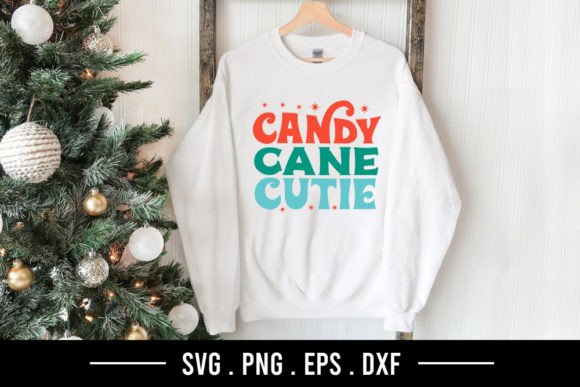
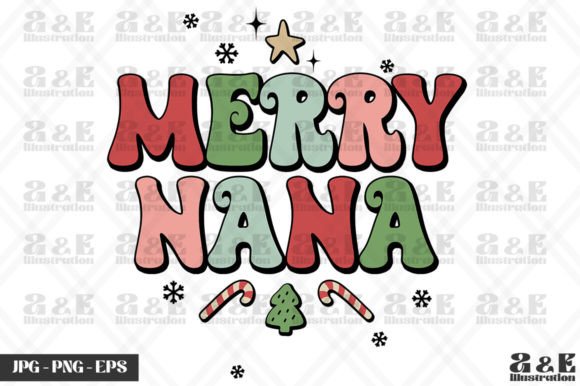
The visual personality of this piece is immediately striking. It screams "retro diner" meets "family gathering." The layout suggests a design that needs room to breathe, making it an excellent candidate for statement pieces like a heavy cotton tote bag or a cozy sweatshirt. However, before I committed to stitching it up for a real-world project, I had to look past the pretty mockup and consider the technical realities of turning this T-Shirt Designs asset into a durable, high-quality finished product.
Real-World Application: From Screen to Stitch
I recently decided to test Retro Merry Auntie Christmas on a custom holiday gift project. My goal was to create a limited run of embroidered aprons for a local boutique owner who specializes in kitchen goods. The challenge here is balancing the retro aesthetic with the practicalities of embroidery on a textured fabric. Unlike a smooth t-shirt, an apron often has a twill weave that can distort fine details if the machine settings aren't spot-on.
The design files provided included PNG 300 dpi, EPS, JPEG, and SVG formats. While the SVG inclusion is fantastic for vector scaling, the note that it is not layered out required some immediate attention. In my workflow, layering is crucial for assigning different stitch types to different elements. For instance, I needed to separate the text from the graphical elements to apply a satin stitch for the lettering and a fill stitch for the background shapes. Without pre-layered files, I had to manually trace the outlines in my digitizing software to ensure the design would hold its shape during the stitching process.
Once I set up the file, the results were promising. The retro vibe translated beautifully onto the canvas. The curves of the design work well with the natural drape of the fabric, creating a soft, inviting look that customers love. It feels less like a mass-produced item and more like something crafted with care. This distinction is vital for Etsy sellers and small shop owners who rely on that "handmade" perception to justify premium pricing.
Where This Design Shines
Retro Merry Auntie Christmas is versatile enough to fit into several distinct categories of embroidery project ideas. Its bold lines and nostalgic theme make it ideal for:
- Holiday Gifts: Imagine this stitched on a thick tea towel or a pillow cover. The contrast between the festive theme and the domestic utility creates a charming gift that recipients will actually use, rather than storing away in a closet.
- Custom Apparel: On a crewneck sweatshirt, this design acts as a focal point. It pairs perfectly with the casual, comfortable aesthetic that defines modern loungewear.
- Baby Items: With slight adjustments to scale, the playful nature of the auntie character could translate wonderfully to a baby onesie or a nursery blanket, adding a touch of humor to a baby shower gift.
- Craft Business Merchandise: For creators selling their own wares, using this as a branded patch on a cap or a tote bag adds a layer of personality that helps build brand recognition.
The key here is understanding that this is a digital embroidery file that requires interpretation. It is not a plug-and-play solution that guarantees perfection without human oversight. However, when handled correctly, it elevates the perceived value of the finished product.
Technical Considerations and Potential Pitfalls
While the design is visually appealing, there are specific scenarios where Retro Merry Auntie Christmas requires careful handling. As an experienced designer, I know that what looks great on a screen can sometimes fail on the hoop.
Small Hoop Sizes: If you attempt to stitch this on a very small hoop, such as those used for hat panels or delicate jewelry tags, the detail level might get lost. The retro style often relies on clean lines and specific spacing. Compressing these elements can lead to a muddy appearance where the text becomes illegible and the graphics blend together.
Fabric Texture and Stability: Working with thin fabrics or highly stretchy materials like jersey knit requires extra caution. Without proper stabilizer support, the tension of the satin stitch or fill stitch can cause the fabric to pucker. I recommend testing this design on a scrap piece of your target fabric first. If you are using a dark fabric, you must verify the thread color contrast. A light-colored retro design on black fabric might require a heavy underlay or a contrasting border to pop effectively.
Detailed Corners: Because the SVG is not layered out, checking the corners of the design is critical. Complex intersections in the graphic can sometimes result in excessive thread buildup, leading to needle deflection or broken stitches. Inspecting the design in a black and white mockup can help identify areas where the density might be too high for the chosen needle size.
Maximizing Visual Appeal and Customer Trust
In the world of craft business and commercial embroidery, presentation is everything. A poorly executed design can undermine customer trust, even if the underlying concept is brilliant. Retro Merry Auntie Christmas has the potential to boost buyer engagement because it tells a story. It evokes memories of family holidays and cozy gatherings.
To maintain this professional standard, you need to pay attention to the thread colors. The retro palette likely includes muted tones or specific vintage hues. Using cheap, low-twist thread can make the design look dull and reduce the longevity of the garment. Investing in high-quality polyester or rayon threads ensures that the embroidery design retains its vibrancy after multiple washes.
Furthermore, consistency is key for branding. If you plan to sell this as part of a collection, ensure that the sizing and placement of Retro Merry Auntie Christmas remain consistent across all products. Whether it's on a tote bag or a cap, the design should feel cohesive. This attention to detail signals professionalism and encourages repeat purchases from happy customers.
Final Thoughts for the Designer
If you are looking to add a touch of whimsical nostalgia to your next small shop product line, Retro Merry Auntie Christmas is a strong contender. It offers a unique angle that stands out against the sea of traditional Christmas motifs. However, success depends on your preparation.
Before you start mass-producing, remember to review the stitch density and confirm the hoop size requirements. Check whether the design works for both personal and commercial projects by reviewing the licensing terms carefully. Since the files are provided as a zip with PNG, EPS, JPEG, and SVG, you have the flexibility to adapt the design for various applications, from sublimation prints to actual machine embroidery.
Ultimately, this design is more than just a graphic; it is a tool for creativity. By taking the time to understand its limitations and strengths, you can transform a simple digital file into a cherished personalized gift or a best-selling apparel decorator item. Happy stitching!