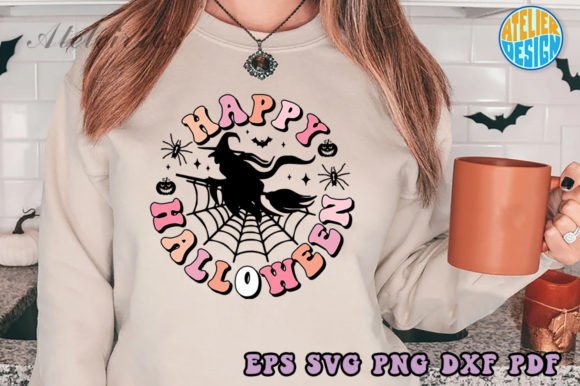
Happy Halloween Retro Sublimation: Embroidery Review
As a designer who spends more time looking at stitch density and fabric grain than scrolling through social media feeds, I approach every new digital asset with a mix of excitement and skepticism. The market is flooded with "retro" graphics that look great on a screen but fall apart under the needle. Recently, I came across Happy Halloween Retro Sublimation, a design marketed primarily for sublimation but available in vector formats like SVG, DXF, PNG, and EPS. While it was created with heat transfer printing in mind, its clean lines and bold aesthetic make it an intriguing candidate for machine embroidery projects. In this review, I will evaluate how this machine embroidery design holds up when translated from a flat graphic to a textured, stitched reality, specifically focusing on its viability for small business owners, Etsy sellers, and crafters looking to add seasonal value to their inventory.
First Impressions: Mood and Visual Personality
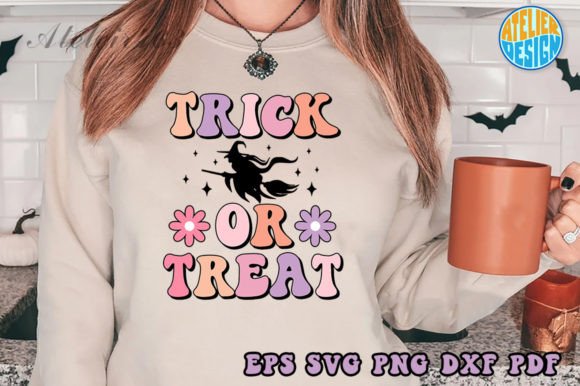
The moment you open the file, the retro vibe is unmistakable. The typography and layout suggest a mid-century modern influence, which has been trending heavily in home decor and apparel lately. For an embroidery project, this is a crucial starting point because retro designs often rely on solid shapes and clear negative space—two elements that translate beautifully to thread. Unlike intricate, photorealistic images that can turn into a muddy mess of stitches, Happy Halloween Retro Sublimation offers distinct visual blocks.
This clarity is essential for maintaining brand consistency and professionalism. When a customer receives a handmade product, they are buying into the quality of the execution as much as the design itself. A crisp, well-defined graphic suggests care and precision. The mood is playful yet sophisticated, making it versatile enough for various demographics. It does not scream "cheap party favor"; instead, it whispers "curated boutique item." This distinction is vital for custom apparel decorators and small shop products aiming to command higher price points.
Real-World Application: From Screen to Stitch
To truly test the potential of this design, I imagined applying it to several common handmade product categories. Let us look at how Happy Halloween Retro Sublimation might perform in specific scenarios.
Tote Bags and Canvas Goods
A canvas tote bag is a staple for any craft business. The sturdy fabric provides a stable base for stitching, allowing the design to sit flush without puckering. If used as a tote bag design, the retro font would pop against natural cotton or black canvas. However, one must consider the placement. Center chest is standard, but a large back print could make a statement piece. The key here is ensuring the stitch density is appropriate for canvas; too dense, and the fabric becomes stiff; too sparse, and the backing shows through.
Sweatshirts and Heavy Apparel
Halloween season overlaps perfectly with cooler weather, making sweatshirt embroidery a lucrative niche. Heavier fabrics like fleece or French terry require a robust stabilizer to prevent the garment from stretching during the hoop process. The retro style fits well with vintage-inspired streetwear aesthetics. If the design includes fill stitch areas, ensure they are not overly large, as heavy fill can weigh down the shoulder seams of a hoodie, causing discomfort for the wearer.
Baby Items and Nursery Decor
There is a growing market for subtle, non-scary holiday items for infants. If Happy Halloween Retro Sublimation features softer curves or pastel-friendly color palettes (which can be adapted via thread colors), it could work beautifully on baby onesies or burp cloths. The challenge here is scale. On a tiny garment, intricate details can get lost. I recommend simplifying the design if adapting it for baby embroidery, focusing on the main iconography rather than fine text.
Technical Considerations and Potential Pitfalls
While the design has strong visual appeal, there are technical hurdles to address before committing to production. Because the source material is optimized for sublimation (dye transfer), it may not come pre-digitized for embroidery. This means you are likely working with a vector file that needs to be traced or converted, or you are using it as a reference for manual digitizing.
Fabric Texture and Contrast
One of the biggest risks in embroidery is poor contrast. If you attempt to stitch this design on a dark, textured fabric like bouclé or chenille, the details may disappear. Always check your fabric texture against the line weight of the design. For best results, use a smooth weave like cotton twill or polyester blend. Additionally, if you are using light thread on dark fabric, ensure the stitch density is high enough to cover the background completely. A single layer of satin stitch over black fabric often reveals the dark threads beneath, ruining the clean look.
Small Hoop Sizes and Curved Surfaces
If you plan to use this as an embroidered patch or on curved surfaces like caps, you need to be careful with the overall dimensions. Small hoop sizes limit the complexity you can achieve. Fine lines and tiny lettering can merge together if the hoop is too tight or the fabric stretches. I advise testing the design in a smaller hoop size first to see if the details remain legible. If the text becomes unreadable, you may need to adjust the spacing or simplify the font.
Dense Stitch Areas
Retro designs often feature thick block letters. In embroidery, these become dense fill stitches. High density can cause fabric distortion, especially on stretchy materials like jersey knits used for t-shirts. To mitigate this, use a cut-away stabilizer for stretchy fabrics and a tear-away for wovens. Also, consider adding a running stitch border around large fill areas to help the thread lay flatter and reduce bulk.
Practical Designer Notes for Success
Before you start pumping out hundreds of units for your Etsy seller shop, follow these practical steps to ensure quality:
- Test on Scrap Fabric: Never go straight to the final product. Use a scrap of the same fabric to check for tension issues, puckering, or thread breaks.
- Check Thread Color Contrast: View your design in black and white mockups to ensure sufficient contrast between the thread and the fabric. Gray tones can look muddy in embroidery.
- Inspect Small Details: Zoom in on the vector file. Are there any hairline details that will not survive the stitching process? Simplify if necessary.
- Confirm Licensing: Since this is a digital asset, verify the license terms. Can you sell finished physical goods? Can you sell the digital file itself? Clear licensing protects your commercial embroidery business from legal issues.
- Use Proper Stabilizer: The right stabilizer makes the difference between a professional finish and a warped garment. Match the stabilizer weight to the fabric weight.
Final Verdict
Happy Halloween Retro Sublimation is a strong contender for designers looking to expand their seasonal offerings. Its clean, retro aesthetic translates well to embroidery, provided the digitization respects the limitations of thread versus ink. It is particularly well-suited for custom apparel, tote bags, and holiday gifts where a touch of nostalgia adds perceived value.
For graphics and T-Shirt Designs in the broader market, this asset offers versatility. Whether you are creating a personalized gift for a client or stocking shelves for a craft fair, the key lies in execution. Pay attention to thread colors, manage stitch density, and choose the right fabric. When done correctly, this design can elevate a simple garment into a memorable, high-quality finished product that customers will proudly wear and showcase.
In conclusion, while originally intended for sublimation, the structural integrity of Happy Halloween Retro Sublimation makes it a viable option for machine embroidery with careful preparation. It serves as a reliable design asset for creative entrepreneurs who value both style and substance in their craft business.