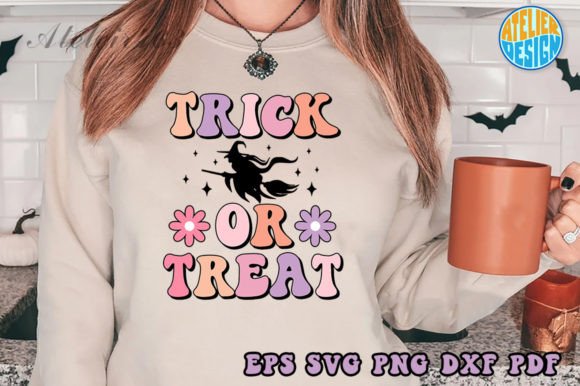
Trick or Treat Retro Sublimation Print Review
As a designer who spends more time staring at stitch density charts and fabric swatches than actually drinking coffee, I approach every new digital asset with a healthy dose of skepticism. The market is flooded with "ready-to-stitch" files that look great on a screen but fall apart under the needle. That is exactly why I decided to put Trick or Treat Retro Sublimation Print through its paces. This isn't just about whether it looks cute; it's about whether it holds up in real-world production for custom apparel, boutique merchandise, and personalized gifts.
First Impressions: Mood and Visual Personality
The moment you load this file into your embroidery software, the retro aesthetic jumps out. It captures that nostalgic, mid-century vibe without feeling dated or cluttered. For an embroiderer, visual clarity is everything. Unlike busy vector graphics that turn into muddy blobs when digitized, this design has a clear hierarchy. The shapes are distinct, and the negative space is handled well, which is crucial for maintaining definition during the stitching process.
The theme leans heavily into classic Halloween nostalgia, making it perfect for seasonal collections. However, the style is versatile enough to work beyond just October. When I first laid eyes on the preview, I immediately thought of high-quality cotton blends and sturdy canvas materials. It feels like a design meant to be seen and touched, not just viewed digitally. It strikes a balance between playful and polished, which is often the hardest thing to achieve in holiday-themed embroidery.
Real-World Application: From Screen to Stitch
I took this design concept and simulated it on several different product types to see how it would translate to a finished product. The versatility of the source files—available as SVG, DXF, PNG, EPS, and PDF—allows for some creative flexibility, even though the primary focus here is machine embroidery.
Custom Apparel and Sweatshirts
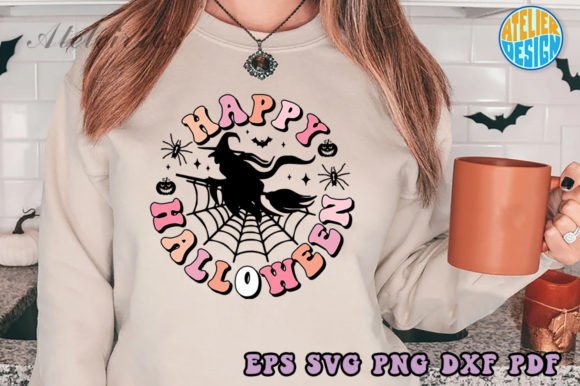
My first test was on a heavyweight fleece sweatshirt. The retro vibe pairs exceptionally well with cozy fabrics. When stitched, the design held its structure beautifully against the nap of the fleece. I focused on using rich, saturated thread colors to match the sublimation-inspired palette. The result was a piece that felt premium and durable. For small business owners looking to create best-selling items for craft fairs or Etsy listings, a retro Halloween sweatshirt is a proven winner. The design’s bold lines ensure it remains legible from a distance, which is vital for retail display.
Tote Bags and Canvas Goods
Next, I moved to a heavy-duty canvas tote bag. This is a staple item for any handmade shop. The challenge with canvas is that the weave can sometimes distort fine details. However, because Trick or Treat Retro Sublimation Print relies on strong geometric shapes rather than intricate line art, it translated cleanly. I used a cut-away stabilizer behind the canvas to prevent puckering, and the final result was crisp. It gives the bag a professional, branded look that customers are willing to pay a premium for. It transforms a basic accessory into a statement piece.
Baby Items and Nursery Decor
One unexpected but successful application was on baby bodysuits. The retro style is soft enough to be appropriate for nursery decor or baby gifts, avoiding the overly spooky elements that might scare off parents. When digitized with softer fill stitches and reduced density, it becomes a charming addition to a Halloween-themed baby shower gift. The key here is moderation; using fewer thread colors and ensuring the stitch count is gentle on delicate skin makes this design suitable for the youngest demographic.
Technical Considerations and Potential Pitfalls
No design is flawless, and being honest about limitations is part of responsible reviewing. While Trick or Treat Retro Sublimation Print is robust, there are specific scenarios where you need to exercise caution.
- Hoop Size Constraints: If you plan to use this on smaller items like caps or tiny patches, you must verify the hoop size requirements. Designs with wide spans may require larger hoops, limiting where you can place them on curved surfaces like baseball caps.
- Fabric Texture: Avoid using this on highly textured fabrics like bouclé or thick chenille unless you have significant experience. The background texture can compete with the embroidery, causing the design to look messy or uneven.
- Thread Contrast: Because the original sublimation print likely features specific color combinations, you need to carefully select your thread colors. Dark fabrics require light, vibrant threads to maintain visibility. If the contrast is too low, the retro details will get lost.
- Stitch Density: Always check the stitch density before running a full production batch. Dense areas can cause fabric distortion or needle breakage if not supported properly. Using the correct stabilizer is non-negotiable here.
Impact on Product Value and Branding
For entrepreneurs, the difference between a generic product and a brand-worthy item often comes down to design quality. Using Trick or Treat Retro Sublimation Print elevates the perceived value of your goods. Customers associate clean, well-executed embroidery with quality craftsmanship. When a buyer sees a neatly stitched, cohesive design on a tote bag or apron, they trust that the entire product is made with care.
This design also supports brand consistency. Its retro style is timeless, allowing you to use it across multiple seasons and product lines. You can pair it with other vintage-inspired assets to create a unified collection. This cohesion helps build recognition among your repeat customers, whether they are buying for themselves or purchasing personalized gifts for others.
Practical Designer Notes
Before you commit to mass production or list these items on your shop, follow these essential steps:
- Test on Scrap Fabric: Never assume a design will stitch perfectly on your final material. Run a test on the exact fabric type you plan to sell.
- Check Licensing: Ensure you have the commercial rights to sell finished products made from this file. Check the provided PDF documentation for specific terms.
- Review Small Details: Zoom in on the digitization. Are there any jump stitches that are too long? Are the corners sharp? Fixing these issues in the software saves time and money later.
- Mockup in Black and White: Convert your design to grayscale to check contrast. If it doesn’t read well without color, it won’t stitch well either.
- Confirm Stabilizer Choice: Match your stabilizer to your fabric weight. Light fabrics need lightweight stabilizers; heavy fabrics need robust support.
Final Verdict
Trick or Treat Retro Sublimation Print is a solid addition to any designer’s library. It offers a blend of aesthetic appeal and technical reliability that works well for a variety of projects, from custom apparel to boutique home goods. Its retro charm adds character, while its structural integrity ensures it stitches cleanly. For hobbyists, it’s a fun project for holiday decorations. For small business owners and Etsy sellers, it’s a viable asset for creating high-margin, desirable products.
Just remember to respect the technical limits of embroidery. Test thoroughly, choose your materials wisely, and always prioritize stitch quality over speed. When done right, this design can help you create finished products that customers love and keep for years to come.