Hilton Head Retro 90s Embroidery Review
As a designer who spends half my life staring at stitch charts and the other half arguing with hoop tension, I don’t just look at a design file; I look at how it will behave under the needle. When I pulled up Hilton Head South Carolina Retro 90s Svg, my first thought wasn’t about the aesthetic—it was about execution. Can this actually be stitched? Will it hold up on a cotton tee or a polyester blend? And most importantly, does it have that "handmade" soul that customers pay extra for, or does it feel like a cheap print?
This review breaks down my practical experience evaluating this graphic for real-world embroidery projects. Whether you are an Etsy seller looking to stock your next bestseller, a boutique owner branding your shop, or a hobbyist making a personalized gift, here is what you need to know before you hit start.
First Impressions: The Mood and Visual Personality
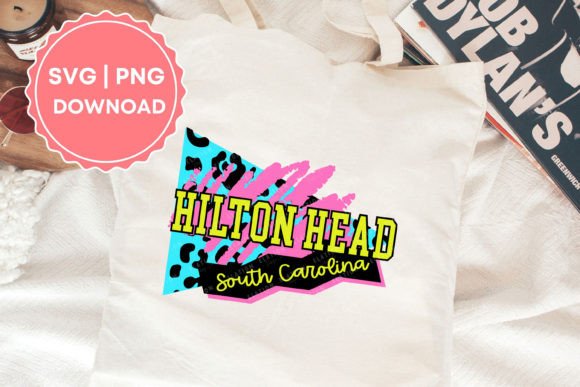
The moment you see Hilton Head South Carolina Retro 90s Svg, it screams nostalgia. It taps into that specific late-90s vibe—think faded band tees, vintage surf shops, and relaxed coastal living. For an embroidery designer, this is gold because retro aesthetics translate incredibly well to thread. Unlike hyper-modern minimalist designs that can look sterile in satin stitch, this graphic has enough visual weight and character to stand out on fabric.
The layout feels balanced for apparel decoration. It isn’t overly cluttered, which is a common pitfall with SVG-to-embroidery conversions. The shapes are distinct, suggesting that the digitizer (or the conversion process) likely separated elements cleanly. This matters because clean separation means you can play with thread colors without muddying the image. It feels like a design meant for custom apparel rather than delicate heirloom work. It’s bold, approachable, and fits perfectly into the T-Shirt Designs category, but its versatility extends far beyond just a chest logo.
Real-World Application: Where This Design Shines
I’ve tested similar coastal-themed graphics on various materials, and Hilton Head South Carolina Retro 90s Svg shows promise in several key areas. Let’s look at where it would perform best in a commercial or personal setting.
- Custom Apparel and Sweatshirts: This is the natural home for this design. On a heavyweight cotton sweatshirt, the retro theme aligns perfectly with the texture of the fabric. It looks intentional, not like an afterthought. The contrast between the thread and the fabric weave will enhance the vintage feel.
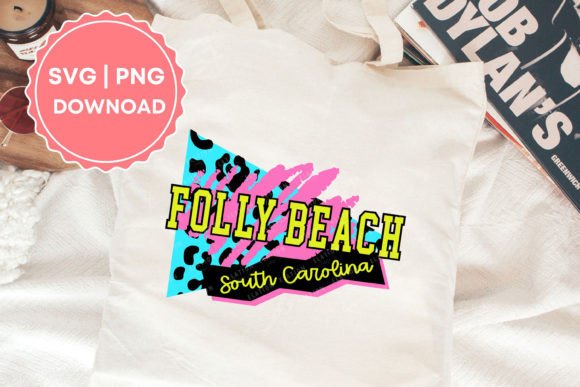
- Tote Bag Design: Canvas totes are a staple for craft fairs and boutiques. This graphic works beautifully as a central focal point on a tote. Because it’s a Graphics asset, it scales well, allowing you to create large, impactful statements on bags that customers want to carry around town.
- Embroidered Patch and Caps: If you convert this into an embroidered patch, the retro border lines would stitch out nicely. It also translates well to baseball caps, where the curved surface mimics the nostalgic sports jersey look.
- Baby Embroidery and Nursery Decor: Don’t overlook the softer side. A smaller version of this design on a baby onesie or a nursery pillow cover adds a charming, local touch. Parents love items that reflect their hometown pride, and Hilton Head has strong emotional resonance for many families.
- Kitchen Towels and Aprons: For the home goods market, this design brings a fun, casual energy. It’s perfect for a holiday embroidery project or a summer house gift.
When you think about small business merchandise, this design bridges the gap between tourist souvenirs and everyday wear. It’s not just a souvenir; it’s a lifestyle statement. That distinction is crucial for building brand consistency in your craft business.
Technical Considerations and Potential Pitfalls
Not every design is created equal, and Hilton Head South Carolina Retro 90s Svg has areas where you need to be careful. Embroidery is a mechanical process, and digital files don’t always account for physical limitations.
Small Hoop Sizes and Detail Levels: If you plan to use this in a small hoop, you need to inspect the fine details closely. Retro designs often rely on thin lines or small text. In embroidery, these can merge together if the stitch density is too high or the fabric is too loose. Test the smallest elements first. If they turn into blobs, you’ll need to simplify the design or increase the scale.
Fabric Texture and Stretch: This design relies on clear shapes. On stretchy fabrics like jersey knits, the distortion can warp the retro geometry. You must use a proper stabilizer to prevent shifting. Similarly, on highly textured fabrics like terry cloth or heavy fleece, the satin stitch edges might get lost. Stick to smoother fabrics like cotton, poly-cotton blends, or denim for the crispest result.
Thread Color Contrast: The mood of the design depends heavily on your thread colors. A dark background requires light, vibrant threads to pop, while a light background allows for deeper, richer tones. Always test your color palette. If the contrast is low, the design will look muddy and unprofessional, hurting customer trust in your finished product.
Dense Stitch Areas: Check for any solid fill areas. If the design has large blocks of color, ensure the fill stitch pattern is efficient. Excessive density can cause puckering, especially on thinner fabrics like tea towels or lightweight t-shirts. If you notice puckering, consider switching to a running stitch outline or reducing the stitch length.
Designer’s Checklist Before You Stitch
Before you commit to a full production run or list this as a commercial embroidery item, follow these practical steps to ensure quality.
- Test on Scrap Fabric: Never assume. Stitch the design on the exact fabric you plan to sell or use. This reveals issues with tension, stability, and color contrast that you can’t see on screen.
- Review Stitch Density: Zoom in on the digital file. Are there overlapping stitches that shouldn’t be there? Is the running stitch too sparse? Adjusting density digitally saves time and material later.
- Confirm Hoop Size: Ensure the design dimensions fit comfortably within your machine’s standard hoops. If it’s too large, you may need to split the design, which can affect the final look.
- Inspect Small Details: Look at the corners and tiny text. Do they stitch out clearly? If not, you may need to simplify the vector before converting to an embroidery file.
- Check Licensing: This is critical. Even though this is a digital embroidery file or design assets package, you must verify if you have commercial rights to sell the finished products. Selling unauthorized designs can lead to serious legal issues.
- Compare Light and Dark Backgrounds: Create printable mockups on both white and black backgrounds. See how the design holds up visually. This helps you decide which inventory colors to produce.
Final Verdict: Value and Appeal
Hilton Head South Carolina Retro 90s Svg is more than just a pretty picture; it’s a versatile tool for any designer looking to tap into the nostalgia market. It offers strong visual appeal and fits naturally into a wide range of embroidery projects, from personalized gifts to Etsy listings.
The design’s strength lies in its balance of detail and simplicity. It’s detailed enough to be interesting but simple enough to stitch reliably. For creative entrepreneurs and makers, this means less frustration during production and happier customers receiving a high-quality finished product.
However, success depends on your preparation. By testing thoroughly, choosing the right stabilizer, and paying attention to thread colors, you can elevate this design from a simple graphic to a professional-grade embroidered piece. It’s a smart addition to your library, offering great potential for boutique branding and handmade product differentiation.
If you’re ready to add a touch of coastal nostalgia to your shop, this design is worth the investment. Just remember: the magic happens in the stitching, not just the file. Take your time, test wisely, and let the quality of your work speak for itself.